
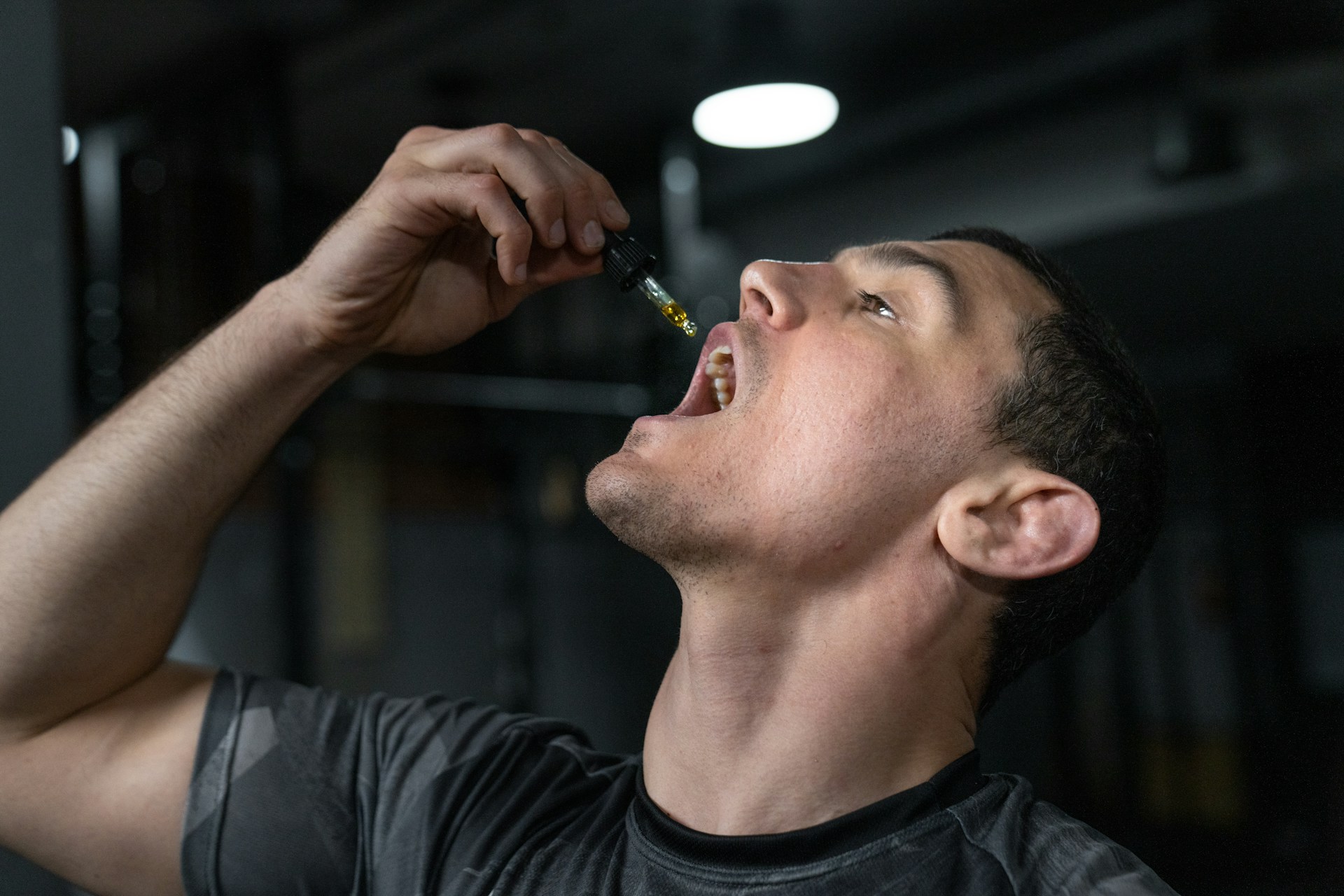
Wellness has changed, but it’s no longer about cutting everything out, waking up at 5am, or sticking to some perfect routine anymore. That version didn’t last for most people anyway. What’s replaced it is more practical. People are paying attention to what they can actually keep doing without burning out after two weeks.
That’s where CBD (Cannabidiol) has slipped in. It doesn’t demand a full lifestyle shift. It doesn’t ask for much. And that’s exactly why it’s stuck around.
CBD has been around for a while, but it’s being looked at differently now. Earlier, it felt like a trend sitting on the side of wellness. Now it’s part of the same conversation as sleep, stress, and recovery. The World Health Organization has already pointed out that CBD is generally well tolerated and not associated with dependency, which removed a lot of early scepticism.
Where CBD Actually Sits in a Routine
CBD interacts with the body’s endocannabinoid system. That system plays a role in regulating mood, sleep, and stress response. It just supports processes that are already there. And that’s enough.
Most people aren’t chasing big transformations anymore. They just want things to feel slightly better. Sleeping without overthinking. Getting through the day without constant tension. Not feeling completely drained by the evening. CBD tends to sit right there, in that middle space.
It’s also easy to adjust. Oils, capsules, topicals, there’s no fixed way to use it. That flexibility matters since if something is rigid, it usually gets dropped. If it fits into a day without friction, it stays.
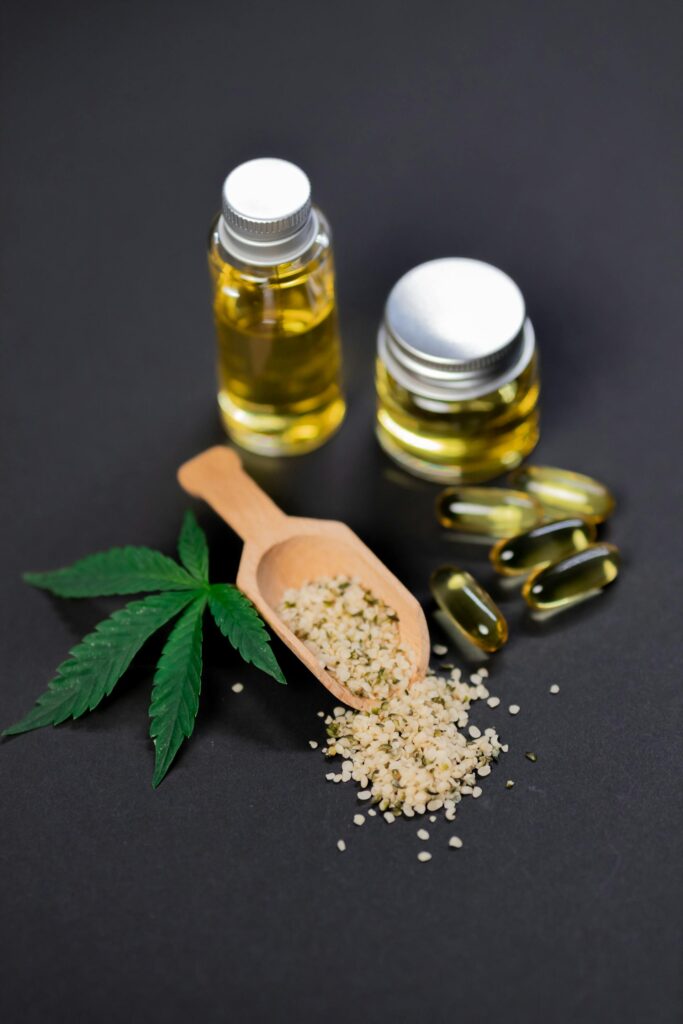
Why Prevention Is Getting More Attention
There’s been a noticeable shift toward not waiting for things to go wrong. Basic habits are getting more attention, such as sleep, diet, and regular check-ups. Nothing new, just taken a bit more seriously now.
The NHS still pushes the same idea: long-term health comes down to consistency in simple things. CBD merely serves as a supplement to that way of thinking. It doesn’t take the place of the basics, but it may assist ease the tension or make winding down simpler. And that’s where the miscommunication typically occurs. People search for a single thing to hold or carry everything. That isn’t how it works. It’s a combination of everything or little routines.
What Actually Holds Up Over Time
Starting a routine is easy. Keeping it going when life gets messy, that’s the real test. The more complicated something is, the faster it falls apart. Too many steps, too many rules, too much pressure to do it “right.” What tends to last is simpler than expected:
- Something that helps manage stress
- Some form of movement, even if it’s not intense
- Eating in a way that doesn’t feel forced
- Not skipping basic health check-ups
The habits people ignore are usually the ones that matter most long-term. Oral health is one of those things. It’s easy to ignore because there’s no immediate sign of a problem, but neglect tends to show up later in ways that are harder to manage. And by that stage, intervention is typically more complex than early preventative care.
Wellness isn’t just about what’s added to an already packed up routine. It’s also about what gets maintained quietly in the daily habit. From skincare to regular check-ups, consistency carries more weight than intensity. Even something as straightforward as visiting a hygienist Kensington plays into that bigger picture of staying ahead rather than catching up.
Lifestyle Pressure Is Part of the Problem
Daily life isn’t exactly built for balance. Constant notifications, long work hours, and very little actual downtime it adds up faster than people realise. That’s part of why CBD has stayed relevant. It doesn’t require stepping away from everything. It works within the routine that already exists.
At the same time, people are less willing to just take claims at face value. There’s more scrutiny now, such as where products come from, how they’re made, and whether they actually do what they say. Especially with CBD, quality varies a lot. And people have started noticing.
A More Realistic Way to Look at Wellness
The biggest shift isn’t really about CBD. It’s about expectations dropping to something more realistic. Wellness doesn’t need to be perfect. It just needs to be consistent enough to hold. CBD works in that kind of setup because it doesn’t take over. It supports things quietly. No major disruption, no strict structure.
The results aren’t dramatic either. It’s more gradual than that. Slightly better sleep. Less mental noise. A bit more stability through the day. Not everything needs to feel like a transformation. Sometimes, it just needs to work.
