
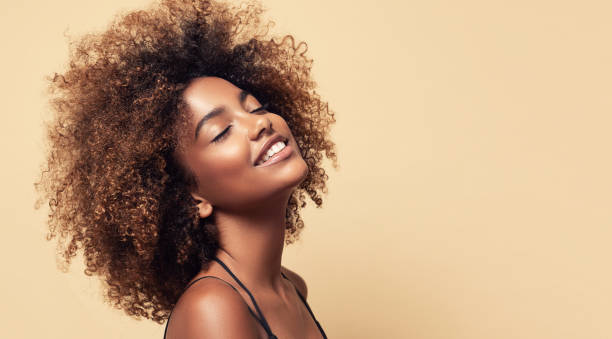
Black beauty is a rich tapestry woven with history, resilience, culture, and undeniable charm. From ancient civilizations to modern-day icons, Black individuals have consistently redefined standards of beauty and contributed immensely to art, fashion, music, and social progress. This article celebrates the essence of Black beauties, exploring their history, cultural significance, representation, and the ongoing movement for recognition and empowerment.
The Historical Perspective of Black Beauty
Throughout history, perceptions of beauty have often been shaped by cultural norms that favored Eurocentric features. In many societies, features like light skin, straight hair, and narrow noses were considered ideal, marginalizing the natural beauty of Black features. However, Black communities have always celebrated their unique features, often using them as symbols of identity and pride.
Ancient civilizations such as Egypt, Ethiopia, and West Africa celebrated diverse beauty standards. The use of adornments, intricate hairstyles, and body art reflected cultural identity and aesthetic values. For instance, Cleopatra’s iconic beauty and the elaborate hairstyles of African queens and kings highlight the long-standing appreciation of Black beauty.
The Rise of Black Beauty Icons
In the 20th and 21st centuries, Black icons revolutionized perceptions of beauty worldwide. Figures like Josephine Baker, Diana Ross, Naomi Campbell, Lupita Nyong’o, and Beyoncé have challenged stereotypes and brought visibility to Black beauty.
- Josephine Baker broke racial barriers in entertainment and became a symbol of elegance and glamour.
- Naomi Campbell redefined runway fashion, breaking racial barriers in the modeling industry.
- Lupita Nyong’o’s radiant skin and natural hair have inspired a global movement embracing natural beauty.
- Beyoncé became a cultural icon championing Black pride and empowerment.
These icons have not only influenced fashion and beauty standards but also inspired millions to embrace their authentic selves.
Cultural Significance of Black Beauty
Black beauty is deeply intertwined with cultural identity and heritage. Hairstyles like afros, braids, locs, and bantu knots are powerful expressions of cultural pride. Historically, these styles served as symbols of resistance against oppression and as markers of cultural identity.
Today, there is a resurgence of pride in natural hair, with movements advocating for the acceptance of Black hairstyles in workplaces, schools, and social settings. The phrase “Black is Beautiful” originated as a rallying cry to combat discrimination and uplift Black self-esteem.
Representation in Fashion and Media
Media representation plays a crucial role in shaping perceptions of beauty. While progress has been made, Black beauty has often been underrepresented or misrepresented in mainstream media. However, recent years have seen a significant shift:
- Fashion brands are featuring more Black models and designers.
- Beauty campaigns celebrate diversity and include models with natural hair, darker skin tones, and varied features.
- Social media platforms empower Black influencers and creators to showcase authentic beauty.
The rise of Black models like Adut Akech, Paloma Elsesser, and Winnie Harlow has helped diversify the fashion industry. Their presence challenges narrow beauty standards and encourages inclusivity.
The Role of Natural Hair Movement
The natural hair movement has been a pivotal part of celebrating Black beauty. It encourages Black individuals to embrace their natural hair textures without shame or conformity to Eurocentric standards. This movement has led to:
- Increased acceptance of locs, afros, braids, and twists.
- Legislation protecting natural hairstyles in workplaces and schools.
- The rise of Black-owned haircare brands offering products tailored for textured hair.
Prominent figures like Viola Davis, Solange Knowles, and Michelle Obama have publicly embraced their natural hair, inspiring others to do the same.
Challenges Faced by Black Beauties
Despite progress, Black individuals still face discrimination and bias based on their appearance. Common challenges include:
- Racial profiling and hair discrimination.
- Limited representation in mainstream media.
- Cultural appropriation rather than appreciation.
- Societal pressures to conform to Eurocentric beauty standards.
Continuing education, activism, and inclusive industry practices are essential to overcoming these barriers.
Celebrating Black Beauty Today
Today, Black beauty is celebrated globally through:
- Cultural festivals and beauty pageants like Miss Black USA.
- Social media movements promoting natural hair, skin positivity, and diversity.
- Black-owned beauty brands like Fenty Beauty, Shea Moisture, and Pat McGrath Labs.
- Mentorship programs empowering young Black individuals to embrace their beauty.
The Importance of Elevating Black Voices
Representation matters. Elevating Black voices in fashion, beauty, and media helps dismantle stereotypes and fosters a more inclusive society. It encourages young Black individuals to see themselves as beautiful, powerful, and deserving of recognition.
Final Thoughts: Embracing and Celebrating Black Beauty
Black beauty is a celebration of resilience, culture, and individuality. It challenges outdated standards and redefines what is considered beautiful. By embracing natural features, supporting Black-owned brands, and amplifying Black voices, we contribute to a world where diversity is celebrated and everyone feels empowered to be their authentic selves.
Remember, Black beauty is not just a trend; it is a timeless and vital part of human diversity. Celebrate it, honor it, and continue to uplift the voices that have long been marginalized.
