
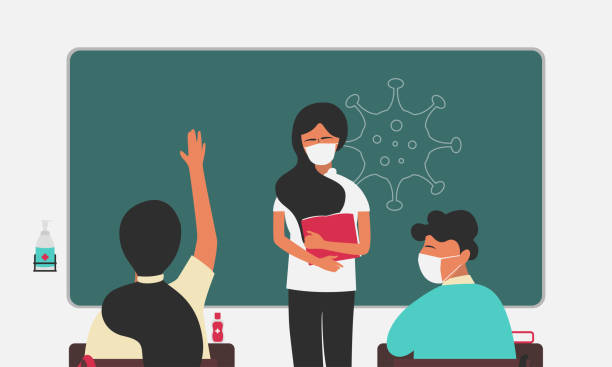
The global pandemic changed the world in ways no one could have predicted. Beyond the devastating loss of life, it exposed deep flaws in healthcare systems, social structures, leadership, and personal responsibility. These fatal lessons are not just memories of a crisis; they are warnings for the future. If humanity fails to learn from them, history may repeat itself in even harsher ways.
This article explores the most critical lessons the pandemic taught us and why understanding them is essential for a safer, more resilient world.
1. Ignoring Science Costs Lives
One of the most painful lessons of the pandemic was how dangerous it is to ignore scientific evidence. In many regions, expert warnings were delayed, downplayed, or politicized. As a result, misinformation spread faster than the virus itself.
Science is not opinion-based. When health experts warned about masks, social distancing, and vaccination, those measures were meant to save lives. The delay in accepting scientific guidance proved fatal for millions.
Lesson learned:
Public policy must always prioritize science, data, and expert advice over politics or personal beliefs.
2. Healthcare Systems Were Unprepared
Even developed countries struggled to handle the sudden surge of patients. Hospitals ran out of beds, oxygen, ventilators, and protective equipment. Healthcare workers were pushed beyond human limits.
The pandemic revealed that many healthcare systems operate on minimum capacity, leaving no room for emergencies of this scale.
Lesson learned:
Governments must invest continuously in healthcare infrastructure, emergency planning, and workforce protection, not only during crises but long before they occur.
3. Inequality Made the Crisis Deadlier
The virus did not affect everyone equally. Marginalized communities, low-income workers, and minorities faced higher infection and death rates. Many could not work from home, lacked access to quality healthcare, or lived in overcrowded conditions.
The pandemic exposed how deeply inequality is embedded in society.
Lesson learned:
Public health cannot be separated from social justice. Equal access to healthcare, housing, and economic support is essential for collective survival.
4. Misinformation Can Be as Deadly as a Virus
False cures, conspiracy theories, and fear-driven narratives flooded social media. Many people refused treatment or vaccination because of misleading information, leading to preventable deaths.
Trust in credible sources collapsed in some communities, creating confusion and resistance to lifesaving measures.
Lesson learned:
Accurate information saves lives. Media literacy, responsible platforms, and transparent communication are critical during global emergencies.
5. Mental Health Was Neglected
Lockdowns, isolation, grief, and uncertainty triggered a silent mental health crisis. Anxiety, depression, and burnout increased dramatically, while mental health services remained underfunded and inaccessible for many.
The emotional toll of the pandemic will last far longer than the virus itself.
Lesson learned:
Mental health must be treated with the same seriousness as physical health, especially during long-term crises.
6. Global Problems Require Global Cooperation
The virus did not respect borders, yet responses were often nationalistic. Vaccine inequality left poorer nations vulnerable while wealthier countries secured surplus doses.
A pandemic anywhere is a threat everywhere.
Lesson learned:
Global cooperation, shared resources, and unified strategies are essential to effectively combat worldwide crises.
7. Personal Responsibility Matters
Individual actions—wearing masks, maintaining hygiene, and following guidelines—played a crucial role in controlling the spread. In many cases, careless behavior directly endangered others.
Freedom without responsibility proved deadly.
Lesson learned:
Personal choices can have global consequences. Collective safety depends on individual responsibility.
8. Preparedness Is Not Optional
Perhaps the most fatal lesson of all is that the world knew a pandemic was possible, yet failed to prepare adequately. Warnings existed, simulations were conducted, but real action was delayed.
Preparedness was treated as optional until it became unavoidable.
Lesson learned:
Prevention and preparation cost far less than recovery and loss. Future readiness must be a global priority.
Final Thoughts: Learning or Repeating History
The pandemic was more than a health crisis; it was a mirror reflecting humanity’s strengths and failures. The lives lost should not be reduced to statistics. They should serve as a powerful reminder of what happens when warnings are ignored and systems fail.
If these fatal lessons are truly learned, the future can be safer. If they are forgotten, the next crisis may be even more devastating.
The choice, collectively and individually, is ours.
