
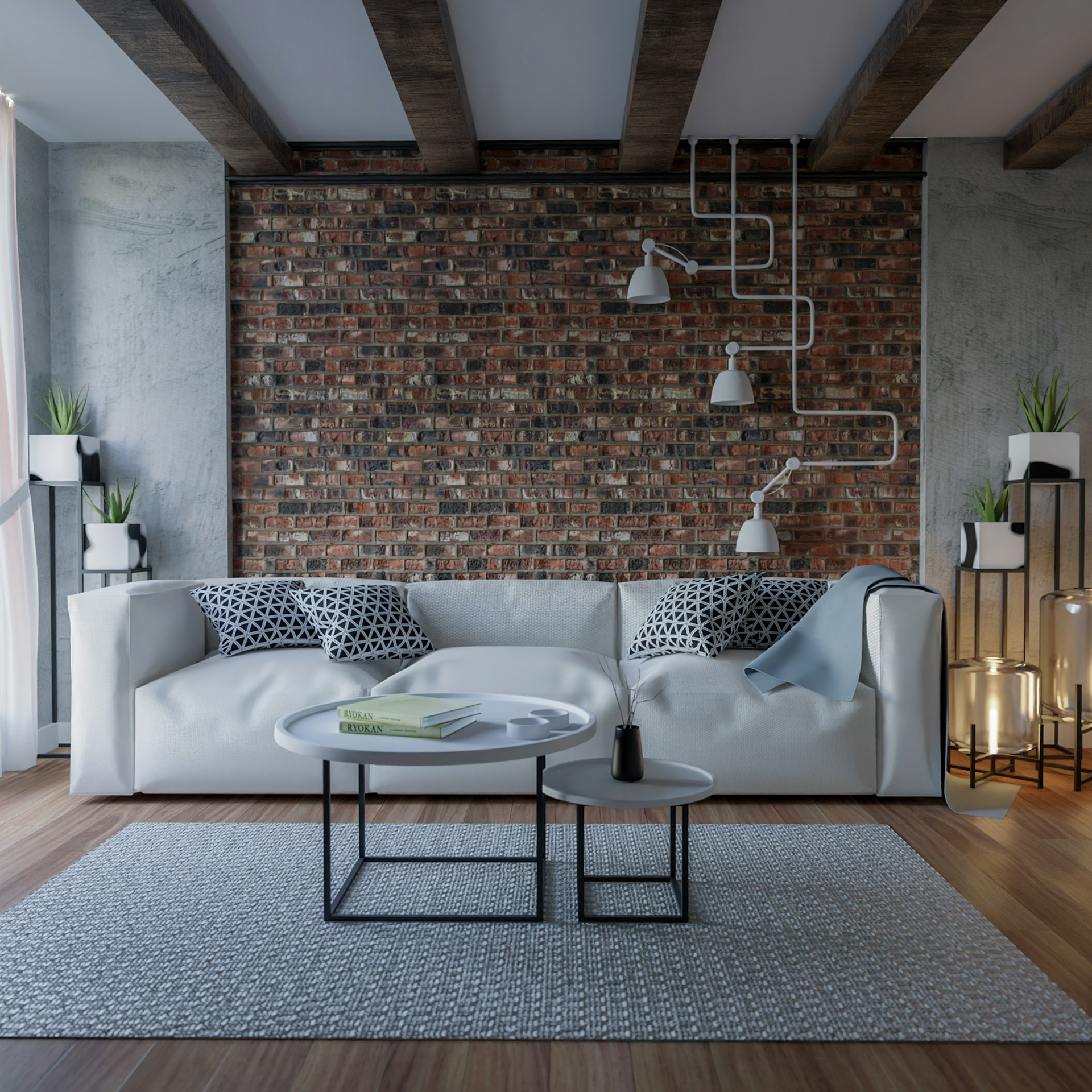
Industrial interiors keep showing up everywhere right now, such as celebrity homes, influencer spaces, and even smaller apartments, trying to mimic the look. Some feel sharp and intentional. Others end up looking like a half-finished warehouse. Same style, completely different outcome. The problem isn’t the style itself; it’s how it’s being applied.
Understanding where that balance sits makes all the difference between a space that works and one that doesn’t.
What Industrial Style Actually Means
There’s a habit of reducing industrial design to a checklist, such as pipes, concrete, dark colours, and metal everywhere. That’s not really the point. Originally, these spaces were about using what already existed. Nothing was added for show.
Even Architectural Digest has been highlighting how the style has shifted. It’s no longer about copying old factories; it’s about refining the idea, so it actually works for real living. Structure should be visible, yes, but it shouldn’t dominate everything around it.
Where Most Spaces Start to Feel Off
The problem usually isn’t the material; it’s how aggressively it’s used. When a space is filled with exposed metal, concrete finishes, and sharp edges all at once, it starts to feel cold and visually exhausting rather than intentional.
A more controlled approach works better. Instead of layering everything in, one or two defined elements, like a metal shelving unit, a staircase railing, or a structured partition, are enough. Even materials sourced from Rapid Metals, when used selectively, can add structure without overwhelming the room.
When every feature is competing for attention, the space loses focus. So, it’s better to keep it minimal.
Why Warmth Changes Everything
Industrial spaces don’t have to feel cold, but they often do when everything is rigid, such as metal, concrete, and sharp edges, with nothing to balance it out. That’s where softer elements make a difference. Wood, fabric, and slightly textured finishes break that stiffness and make the space feel more usable.
A wooden surface next to metal doesn’t weaken the look; it makes it easier to live with. Without that balance, the space can come across as incomplete rather than intentional.
This is why there’s a shift toward what’s often described as “soft industrial”, keeping the structure, but making the environment more comfortable to actually spend time in.
The Colour Issue That Gets Ignored
Dark palettes are overused in this style. Charcoal, black, deep greys, they look striking at first, but they can close a space in very quickly.
Lighter tones do the opposite. Soft neutrals, off-whites, even slightly warmer shades help open things up while still keeping the industrial feel intact. Not everything needs to look like exposed concrete to fit the theme.
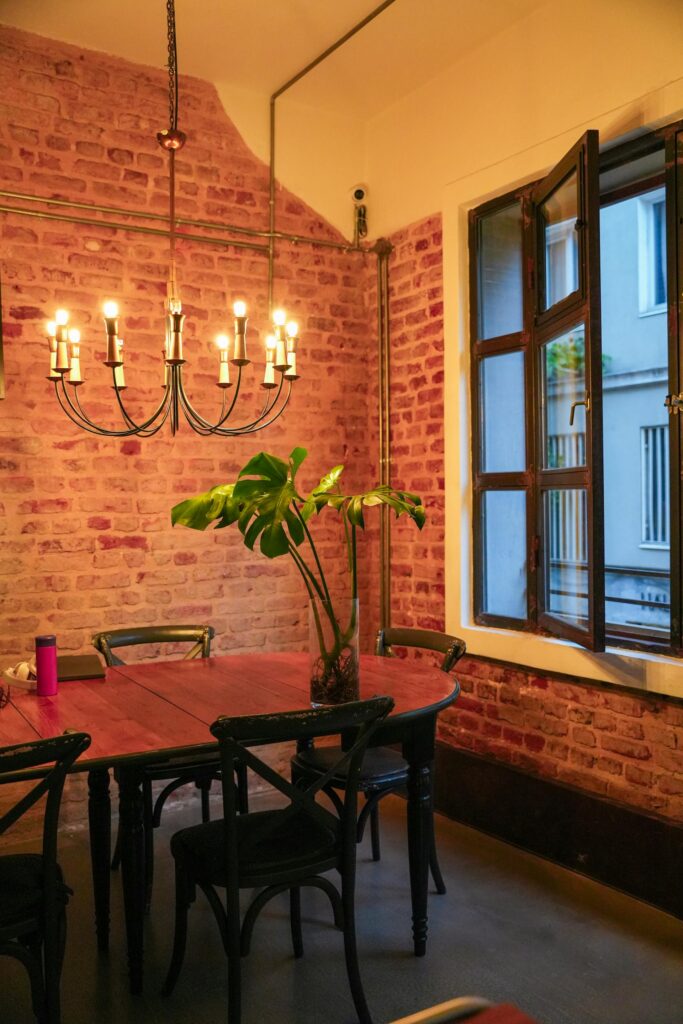
Sometimes, pulling back on a darker shade does more than adding another feature.
Structure Matters More Than Styling
Industrial design works best when the structure does the talking. Once too many decorative elements get added, the space starts to feel forced.
Exposed beams, clean frames, or visible details should feel natural, like they belong there. If they look staged, the effect disappears. The same goes for clutter. Too many objects and the entire space loses clarity.
Lighting Is Where It Either Works or Doesn’t
Lighting is frequently overlooked, despite the fact that it often determines the final outcome. Bright white, harsh lighting may make everything seem colder than it is. Softer warm lighting restores a sense of space to the room.
Layering is a good idea here, such as combining ambient lighting with a few focused lighting fixtures rather of relying on a single source. Even a tiny adjustment in tone can affect how the materials feel.
Keep It Simple
Industrial design isn’t meant to be loud. When a space tries to show off, such as with too many statement pieces or too many conflicting elements, it starts to feel forced.
The spaces that work tend to be more controlled. A few well-placed features, nothing unnecessary, and everything feels intentional.
Conclusion
Industrial style fails not because it is too heavy, but because it lacks balance. When materials are properly chosen and contrast is added to the space, the room seems settled rather than overwhelming. In most cases, it comes down to holding back. A few strong elements will always look better than trying to include everything at once.
