
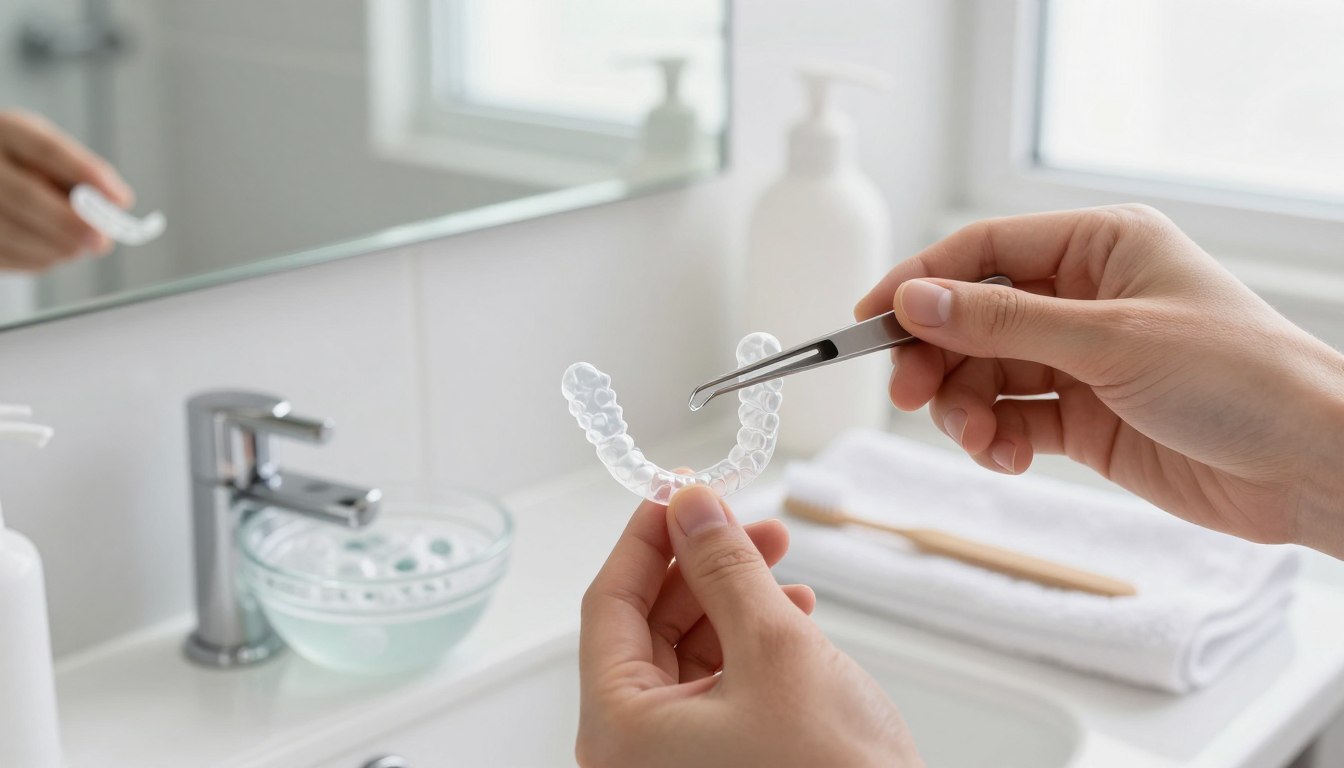
Maintaining your smile after orthodontic treatment requires a consistent oral hygiene routine. Many people overlook the importance of keeping their dental appliances fresh and free from bacteria.
Proper Retainer hygiene is essential to prevent plaque buildup and bad breath. By dedicating a few minutes each day to this task, you protect your dental health and ensure your hardware lasts longer.
Following expert Retainer care tips will help you avoid common issues like discoloration or foul odors. When you prioritize Cleaning Retainers, you invest in the longevity of your beautiful, straight smile. Consistent habits today prevent expensive complications tomorrow.
Key Takeaways
- Establish a daily habit to keep your appliances fresh.
- Use gentle methods to avoid damaging the plastic or metal.
- Prevent bacterial growth by rinsing your device after every use.
- Store your appliance in a clean, ventilated case when not in use.
- Schedule regular checkups to ensure your dental hardware fits perfectly.
Best Practices for Cleaning Retainers
Establishing a reliable habit for sanitizing dental appliances will keep your smile fresh and clean. Consistent daily retainer care is the most effective way to ensure your device remains hygienic throughout its entire lifespan. By dedicating just a few minutes each day to this process, you protect your oral health and keep your appliance in top condition.
Daily Rinsing and Brushing Techniques
When it comes to proper retainer hygiene, the best way to clean retainers involves a gentle touch. You should rinse your appliance with lukewarm water every time you remove it from your mouth. This simple step helps in preventing plaque buildup before it has a chance to harden on the surface.
To perform a deeper clean, use a soft-bristled toothbrush to gently scrub away any lingering debris. Avoid using your regular toothpaste, as it can be too abrasive for delicate materials. Instead, focus on a light brushing motion to maintain the clarity and structural integrity of your device.
Choosing the Right Cleaning Agents
Selecting the correct cleaning solution for retainers is vital for clear retainer maintenance. Many people find that mild, fragrance-free dish soap works perfectly for daily washing. This method is safe, effective, and helps in maintaining clear aligners without causing cloudiness or surface scratches.
If you are wondering how to clean retainers more thoroughly, consider using specialized tablets designed for dental appliances. These solutions are formulated to kill bacteria while remaining gentle on the plastic or metal components. Always remember that proper retainer storage in a ventilated case is just as important as the cleaning process itself to keep your appliance dry and bacteria-free.
Common Mistakes to Avoid When Cleaning Retainers
Protecting your investment in a straight smile starts with knowing what not to do when cleaning your retainer. Many users inadvertently cause damaged retainers by using harsh methods that seem helpful but are actually counterproductive. By identifying these common retainer cleaning mistakes, you can ensure you are effectively protecting orthodontic gear for the long term.

Dangers of Using Hot Water
One of the most frequent errors is rinsing or soaking your appliance in hot or boiling water. While it might seem like a good way to sanitize the plastic, the heat can cause the material to warp significantly. Once the shape is altered, the appliance will no longer fit your teeth correctly, which compromises your treatment results.
To ensure dental appliance longevity, always stick to lukewarm or cool water. Using high temperatures is a primary cause of avoiding retainer odors becoming a difficult task, as warped plastic creates new crevices for debris to hide. Keeping your water temperature low is a simple step that preserves the structural integrity of your device.
Why Abrasive Toothpastes Cause Damage
Many people assume that because toothpaste cleans their teeth, it is also safe for their retainers. However, most standard toothpastes contain abrasive agents designed to scrub away plaque from hard enamel. These ingredients are far too harsh for the delicate plastic or acrylic used in orthodontic appliances.
Identifying Micro-Scratches
When you use abrasive cleaners, you create tiny, invisible grooves on the surface of your retainer. These micro-scratches are problematic because they provide the perfect environment for bacteria on retainers to thrive. Over time, you may notice your appliance looking cloudy or dull, which is a clear sign that the surface has been compromised.
Preventing Bacterial Growth
To maintain safe retainer cleaning habits, you should avoid using a toothbrush with stiff bristles and gritty toothpaste. Instead, use a soft-bristled brush and mild soap or a specialized cleaning solution. This approach is essential for preventing plaque buildup and keeping your appliance fresh.
- Avoid boiling water to prevent warping.
- Skip abrasive toothpastes to prevent surface scratches.
- Use only soft brushes to protect the material.
- Choose mild, non-abrasive cleansers for daily maintenance.
Conclusion
Your orthodontic journey reaches a milestone once the braces come off. Keeping your retainer in top shape preserves the alignment you worked so hard to achieve.
Small habits create lasting results for your dental health. A clean appliance prevents bacteria buildup and keeps your breath fresh throughout the day.
Brands like Retainer Brite offer specialized solutions for deep cleaning. Using these products keeps your clear aligners or Hawley retainers looking crystal clear.
You should inspect your appliance for cracks or signs of wear during every cleaning session. Contact your orthodontist if you notice any structural changes or discomfort.
Share your favorite cleaning routine with others who wear retainers. Your experience helps friends maintain their own beautiful smiles with confidence.
FAQ
How often should I clean my orthodontic appliances to maintain good oral hygiene?
To keep your oral hygiene routine on track, you should rinse your retainer every time you remove it from your mouth. For a thorough cleaning, it is best to use a gentle cleaning solution for retainers at least once a day. This consistency prevents the accumulation of plaque buildup and keeps your dental hardware smelling fresh and looking clear.
Can I use my favorite toothpaste to scrub my clear aligners?
While it might seem convenient, most standard toothpastes like Crest or Colgate are actually too abrasive for clear aligners and retainers. These pastes can create tiny micro-scratches on the surface. These scratches don’t just make the material look cloudy; they also provide a hiding place for bacterial growth, which can lead to odors and hygiene issues.
Is it safe to soak my retainer in hot water to kill bacteria?
You should actually avoid hot or boiling water at all costs! High temperatures can warp the plastic of your orthodontic appliances, ruining the custom fit your orthodontist worked so hard to achieve. To ensure dental appliance longevity, always use lukewarm or cool water paired with a specialized sanitizer like Efferdent or Invisalign Cleaning Crystals.
What are the best cleaning agents for maintaining a hygienic retainer?
For a safe and effective clean, many dental professionals recommend using a mild, non-toxic cleanser like Dr. Bronner’s Castile Soap. If you prefer a soaking method, tablets such as Polident are excellent for deep cleaning and sanitizing dental appliances without damaging the delicate plastic or metal components.
How should I store my retainer when I am eating or drinking?
Whenever your retainer isn’t in your mouth, it should be in its protective case. Leaving it out on a napkin or a counter exposes it to air-borne debris and increases the risk of accidental damage. Proper retainer storage is a simple but vital part of your daily health regimen to ensure your device remains functional for years to come.
What happens if I neglect my daily retainer care?
Skipping your cleaning routine can lead to a buildup of tartar and bacteria, which may cause gum irritation or cavities. Furthermore, neglecting retainer care can result in a persistent unpleasant taste or smell. By staying diligent with your cleaning techniques, you protect your investment and maintain a bright, healthy smile.
