
The quest for the ultimate warm-weather wardrobe often leads fashion enthusiasts to a classic menswear crossroads: the resort-vs-camp-style-shirt debate. As temperatures rise, the standard structured button-down quickly loses its appeal, forcing a shift toward more breathable, relaxed alternatives. For decades, both the camp shirt and the resort shirt have served as the cornerstones of laid-back, sun-drenched style. While they are frequently used interchangeably by retailers and shoppers alike, these two garments possess distinct historical roots, structural differences, and stylistic intentions.
Choosing the right option is not merely a matter of picking a pattern; it impacts your silhouette, comfort level, and how appropriate your outfit is for specific settings. Understanding the nuances of the resort-vs-camp-style-shirt allows you to navigate everything from casual beachside hangouts to upscale summer evenings with absolute sartorial confidence. This comprehensive guide breaks down the DNA of both styles, tracing their origins, analyzing their design elements, and helping you determine which shirt deserves a permanent spot in your seasonal rotation.
Quick Biography of the Warm-Weather Shirt Evolution
| Detail Field | Style Characteristics & Historical Data |
| Full Name of Styles | Camp Collar Shirt (Cabana Shirt) vs. Resort Wear Shirt |
| Origin Era | Early-to-mid 20th Century (1930s–1950s) |
| Primary Evolution Influences | Cuban Guayabera, Filipino Barong, Mediterranean Holiday Culture |
| Key Structural Feature | One-piece open collar (Camp) vs. Versatile relaxed collar (Resort) |
| Dominant Materials | Linen, Cotton Poplin, Silk, Rayon, Tencel |
| Modern Market Value (2026) | Multi-billion dollar global premium resort wear segment |
| Primary Utility | Casual everyday wear, travel fashion, smart-casual summer events |
| Design Philosophy | Effortless relaxation combined with clean, breathable tailoring |
Defining the Core Identity: What is a Camp Style Shirt?
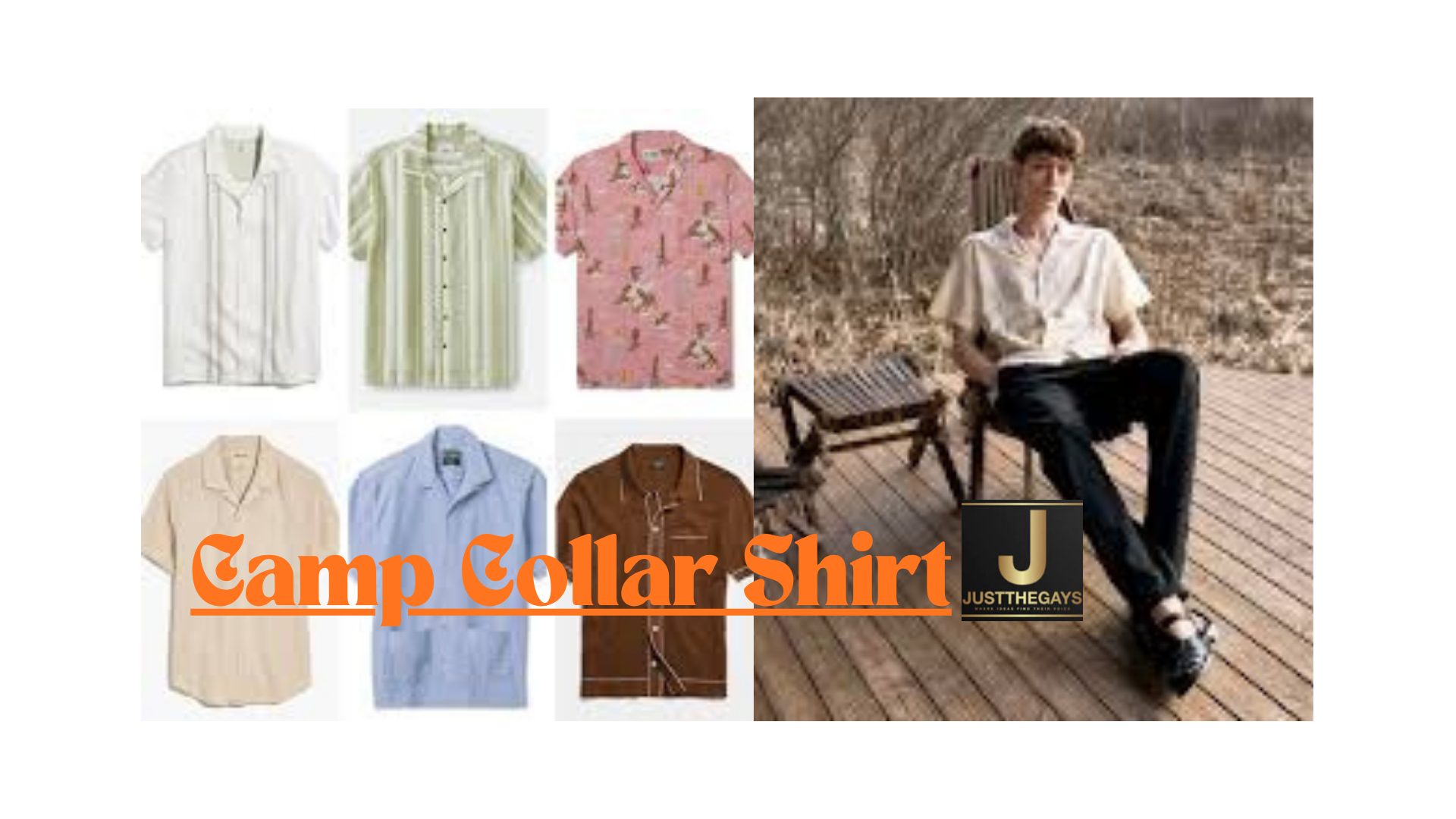
To fully appreciate the resort-vs-camp-style-shirt comparison, one must first isolate the defining characteristics of the camp shirt. Alternatively known as the cabana shirt or lounge shirt, the camp shirt is best identified by its unique, unstructured collar. Unlike a traditional dress shirt, which features a stiff collar band designed to hold a tie, a camp shirt utilizes a one-piece collar that lies completely flat against the chest. This creates a natural, notched V-neck opening at the top of the placket.
The Anatomy of a Classic Camp Collar
The absence of a collar band means the shirt cannot be easily buttoned all the way to the top without distorting the fabric. This design feature is entirely intentional, engineered specifically for maximum airflow in tropical or humid climates. You may like read also about Ethan Embry Net Worth 2026: The Astonishing Wealth of a 90s Icon Turned Modern Star
Beyond the collar, traditional camp shirts exhibit several distinct hallmark traits:
- Straight, Boxy Hem: Designed strictly to be worn untucked, featuring small side slits for ease of movement.
- Relaxed Fit: The torso is cut wider through the chest and waist, preventing the fabric from clinging to the skin when sweating.
- Short Sleeves: Wide sleeve openings that typically terminate just above the elbow, promoting air circulation.
- Plain Front Placket: A clean, French-front placket without an overlapping strip of stitched fabric, maintaining a minimalist aesthetic.
Historical Roots and the Cuban Connection
The lineage of the camp shirt is deeply tied to utilitarian workwear. Its design heavily mirrors the Caribbean Guayabera, a traditional regional shirt worn by agricultural laborers in Cuba during the 19th century. By the 1930s and 1940s, this highly practical style immigrated to the United States, quickly evolving into a staple of American leisurewear. Tourism to Havana and Miami surged, and travelers brought back these breezy, flat-collared shirts as symbols of a wealthy, vacationing lifestyle.
Defining the Core Identity: What is a Resort Style Shirt?
On the other side of the resort-vs-camp-style-shirt spectrum lies the resort shirt. While a camp shirt is defined by a strict structural blueprint (the camp collar), “resort style” operates more as a design ethos and a category of premium seasonal apparel. Resort wear as a broader fashion movement caters to a specific lifestyle—think Mediterranean cruises, upscale coastal estates, and alfresco dining at luxury hotels.
Structural Nuances of Resort Wear Tailoring
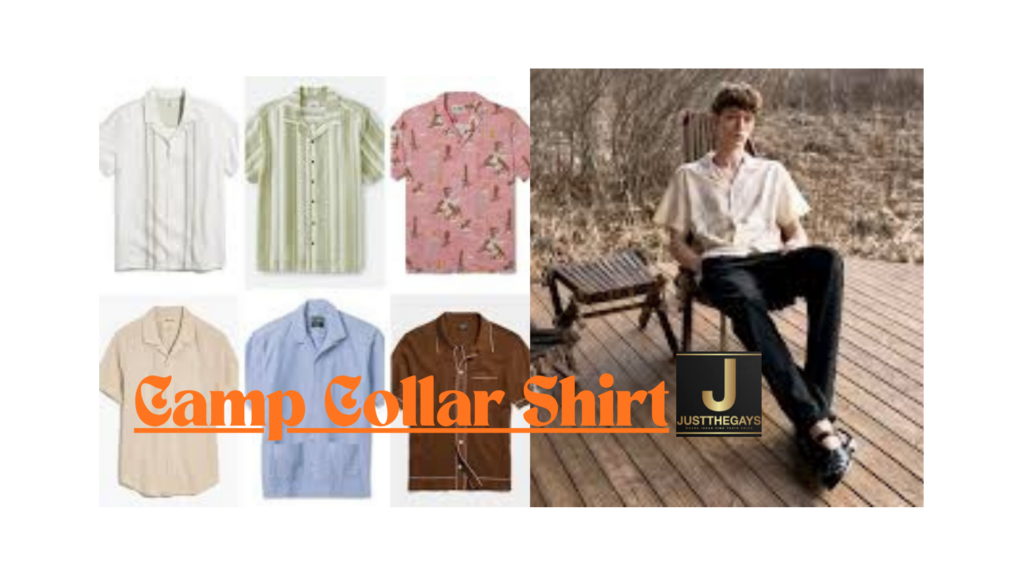
While many modern resort shirts do adopt a flat camp collar, the category also encompasses shirts with soft, unstructured standard collars, band collars (grandad collars), and deep popover plackets. The silhouette of a resort shirt leans significantly more toward relaxed elegance rather than utilitarian boxiness.
Key attributes that define a high-end resort shirt include:
- Fluid Draping: The patterns are cut to flatter the natural lines of the body while remaining loose and comfortable.
- Versatile Hemlines: Many resort shirts feature a subtle curved hem, allowing the wearer the flexibility to tuck the shirt into tailored trousers or leave it loose over linen shorts.
- Elevated Hardware: The use of premium buttons, such as mother-of-pearl, tortoise shell, or carved coconut husks, which immediately signals luxury construction.
- Sophisticated Patterns: Shifting away from loud, neon tropical prints, true resort shirts favor muted pastels, monochromatic tones, subtle vertical stripes, or sophisticated geometric motifs.
The Glamour of Mid-Century Riviera Fashion
If the camp shirt belongs to the mid-century American backyard barbecue, the resort shirt belongs to the French Riviera during the 1950s and 1960s. Style icons like Gary Cooper, Cary Grant, and later Dickie Greenleaf (played by Jude Law in The Talented Mr. Ripley) popularized the concept of effortless coastal luxury. The resort shirt emerged as the ultimate transitional garment—casual enough for a day on a yacht, yet sophisticated enough to wear under a lightweight sport coat for evening cocktails.
Key Differences: Fabric Choices in Resort-vs-Camp-Style-Shirt Manufacturing
The tactile experience of a shirt often dictates its quality and performance in high heat. When analyzing the resort-vs-camp-style-shirt market, fabric selection serves as a massive differentiator between casual utility and luxury styling.
Traditional Camp Shirt Textiles
Because camp shirts originated as practical everyday garments, they traditionally favor durable, easy-to-wash materials. However, modern iterations have expanded into synthetic blends to maximize comfort.
- Rayon and Viscose: Highly popular for camp shirts due to their incredible silk-like softness, lightweight feel, and excellent moisture absorption. Rayon gives the shirt a characteristic “swish” and fluid movement.
- Cotton Poplin: A tight, plain weave that is highly breathable, crisp to the touch, and easy to iron. It provides a more structured look to the boxy camp silhouette.
- Tencel / Lyocell: A sustainable modern favorite that offers exceptional strength, natural wrinkle resistance, and a smooth, matte finish.
Luxury Resort Shirt Materials
Resort shirts place a massive premium on texture, opt-in visibility, and natural cooling properties. The fabrics chosen here are explicitly selected to communicate an upscale, leisurely aesthetic.
- Pure Linen: The undisputed king of resort wear. Made from flax fibers, linen features a loose, visible weave that allows heat to escape effortlessly from the body. While it wrinkles instantly, this wrinkling is universally accepted as part of the fabric’s casual, high-end charm.
- Silk Blends: Silk-cotton or silk-linen blends add a soft, luminous sheen and unparalleled softness against the skin. These fabrics elevate the shirt, making it suitable for formal evening dinners.
- Knit Cotton (Cabana Terry): A massive trend in contemporary resort wear, utilizing textured open-knit or terry-cloth patterns that mimic vintage Italian polo shirts, offering superb texture and depth.
The Silhouette Showdown: Fit, Cut, and Proportions
When choosing between a resort-vs-camp-style-shirt, the structural silhouette dictates how the garment interacts with your overall physique. A mistake in sizing or cut can easily transition your look from “effortlessly tailored” to “unkempt,” making an analytical breakdown of their proportions essential.
The Boxy Geometry of the Camp Collar
Traditional camp style shirts rely on flat, geometric lines. The shoulders are often slightly dropped to emphasize a relaxed demeanor, and the armscyes (the armholes) are cut deeper to prevent binding when active.
- The Torso: Cut with zero tapering. The width at the armpit matches the width at the hem, creating a distinct box shape.
- The Length: Considerably shorter than a standard dress shirt. It is engineered to sit exactly at the mid-fly of your trousers, ensuring that an untucked hem does not truncate the legs visually.
- The Sleeves: Designed with a wider circumference, allowing the fabric to flare out slightly away from the bicep.
The Fluid Elegance of Resort Wear Cuts
Resort shirts abandon the rigid boxiness of workwear in favor of a drape that mirrors high-end tailoring. The goal of a resort cut is to provide maximum comfort without sacrificing the masculine V-taper silhouette.
- The Torso: Subtle tapering through the waist removes excess fabric pooling at the sides, while still leaving ample room in the chest for movement.
- The Length: Slightly longer with a gently curved or “tennis” hem (slightly longer in the back). This provides just enough fabric to stay securely anchored if you choose to tuck it in.
- The Sleeves: Cut closer to the arm and angled slightly downward, creating a cleaner, more athletic shoulder-to-arm transition.
Styling the Resort-vs-Camp-Style-Shirt: A Comprehensive Guide
Unlocking the full potential of these warm-weather staples requires understanding the sartorial ecosystem around them. What you wear on your lower half entirely transforms the context of the shirt.
Casual Daywear: The Camp Shirt Approach
Because of its inherently casual, retro-leaning aesthetic, the camp shirt excels in high-energy, relaxed social settings.
[Camp Shirt] + [Drawstring Linen Shorts] + [Canvas Sneakers / Slides] = Perfect Daytime Casual
- The Formula: Pair an open, printed viscose camp shirt over a clean white ribbed tank top. Leave the shirt completely unbuttoned for an airy, layered look.
- Bottoms: Opt for relaxed-fit cotton chino shorts or casual drawstring linen shorts that hit an inch or two above the knee.
- Footwear: Low-profile canvas sneakers, woven huarache sandals, or premium leather slides complete the daytime leisure look without feeling over-styled.
Smart-Casual Evenings: The Resort Wear Approach
When the sun sets and dinner reservations approach, the resort shirt seamlessly steps up to handle elevated dress codes without causing you to overheat.
[Solid Linen Resort Shirt] + [Tailored Trousers] + [Suede Loafers] = Sophisticated Evening Wear
- The Formula: Select a long-sleeve or short-sleeve solid-colored linen resort shirt in an earthy tone like olive, terracotta, or classic off-white.
- Bottoms: Tuck the shirt firmly into high-waisted, single-pleated tailored trousers or crisp, slim-fit cotton trousers. Accentuate the waist with a braided leather belt.
- Footwear: Slide into unlined suede loafers, Belgian shoes, or clean leather espadrilles. This balances the line between formal structure and coastal relaxation.
Print, Pattern, and Color Theory: Navigating Visual Intent
The visual impact of your shirt relies heavily on color choices and surface design. This is where the resort-vs-camp-style-shirt categorization splits along psychological and stylistic lines.
Bold Motifs and Retro Revivalism
Camp shirts are historical canvases for expressive prints. From 1950s rockabilly Americana to the iconic Hawaiian shirts of the 1980s, this silhouette embraces graphic intensity.
- Tropical and Botanical Prints: Large-scale palm fronds, hibiscus flowers, and scenic landscapes look entirely natural on a camp shirt.
- Geometric and Abstract Graphics: Mid-century atomic prints, vertical bowling stripes, and cubist color-blocking complement the flat lines of the camp collar perfectly.
- The Rule of Thumb: When wearing a heavily patterned camp shirt, keep your shorts or trousers entirely solid and neutral to avoid visual clutter.
Sophisticated Minimalism and Quiet Luxury
Resort wear operates primarily under the umbrella of understated elegance. It relies on the inherent texture of the luxury fabric rather than loud graphics to create visual interest.
- The Palette: Dominated by tonal neutrals—cream, sand, stone, espresso, navy, and soft pastels like sage green or washed azure blue.
- Subtle Textures: Instead of printed patterns, resort shirts utilize woven-in textures like seersucker puckers, micro-waffle knits, vertical herringbone weaves, or subtle melange linen threads.
- Monochromatic Dressing: Pairing a cream resort shirt with sand-colored trousers creates a high-end, unified aesthetic that exudes luxury without screaming for attention.
Care and Longevity: Preserving Premium Summer Shirts
Lightweight summer fabrics require specialized maintenance to prevent shrinkage, fabric degradation, and collar distortion. Treating your shirts properly ensures they maintain their drape season after season.
- Linen Care: Always wash pure linen resort shirts in cold water on a gentle cycle. Avoid high-heat tumble drying, which makes the flax fibers brittle and causes severe shrinkage. Hang dry, and iron while the fabric is still slightly damp using the maximum steam setting.
- Rayon and Viscose Care: Rayon is notoriously weak when wet. Hand washing or dry cleaning is highly recommended. If machine washing, use a protective mesh laundry bag and lay flat to dry. Never wring out a rayon camp shirt, as it can permanently warp the silhouette.
- Collar Maintenance: To keep a camp collar lying perfectly flat, press it from the inside out. For resort shirts with standard collars, always remove collar stays before washing to prevent the tips from fraying or wearing through the textile.
Final Verdict: Which Style Belongs in Your Wardrobe?
Ultimately, the resort-vs-camp-style-shirt choice doesn’t require a strict singular commitment; instead, it demands an assessment of your lifestyle needs and immediate environment.
The Takeaway: If your summer plans involve casual boardwalk strolls, daytime music festivals, and a love for expressive retro fashion, the boxy, flat-collared camp shirt is your ideal match. If your agenda leans toward coastal travel, elegant dinners, and a desire for a polished, highly tailored silhouette that keeps you cool, investing in high-quality resort wear shirts will yield the highest stylistic returns.
